

The advent of artificial intelligence (AI) has made significant waves across various industries, yet few sectors are experiencing such a transformative moment as the pharmaceutical industry. The phenomenon can be likened to the rise of DeepSeek, a Chinese tech startup recognized for its advanced AI capabilities revolutionizing drug discovery processes. The pharmaceutical landscape is shifting as biotechs enhance drug development efficiency and cost-effectiveness, posing substantial challenges to traditional giants and altering the dynamics of healthcare.
Rapid advancements in AI technology are set to streamline operations within the pharmaceutical realm. With platforms like DeepSeek emerging, companies are witnessing a shake-up in how drugs are developed, validated, and brought to market. The implications extend beyond mere efficiency, hinting at a broader reimagining of proprietary methods, intellectual property concerns, and competition in global markets.
This dramatic shift is primarily evident in China, where the biotech industry’s growth trajectory is accelerating. The country’s aim is to escalate its market value from $70 billion to $140 billion by 2030, with innovative firms like DeepSeek leading the revolution. As drug development becomes faster and cheaper, American companies find themselves competing in a landscape that is increasingly dictated by these agile newcomers.
The Rise of AI in Drug Discovery

The implementation of AI in the drug discovery phase marks a significant evolution in the pharmaceutical landscape. Traditional methods of drug discovery are often lengthy, resource-intensive, and fraught with high failure rates. AI technology, particularly machine learning (ML) and deep learning algorithms, revolutionizes this process by leveraging vast datasets and advanced computing techniques. This ability to perform complex analyses rapidly enables researchers to identify potential drug candidates much faster than ever before.
For instance, AI-driven platforms can analyze chemical compounds in a fraction of the time required for human researchers, significantly reducing the timelines associated with drug development. This transformative approach has led to the formation of integrated systems that can not only predict drug efficacy but also foresee potential adverse effects early in the development process, thus minimizing risk.
Biotechs utilizing AI are presenting unprecedented advantages by expediting clinical trials and improving outcomes for new treatments. Smaller hospitals and research facilities are now empowered to conduct sophisticated research independently, which drastically reduces reliance on large pharmaceutical companies for resources.
The Impact of DeepSeek on the Pharma Landscape
With the advent of DeepSeek’s innovative approaches, healthcare systems worldwide are under pressure to adopt similar technologies. DeepSeek’s launch in January 2025 reflected not just a technological leap forward, but a complete restructuring of perception toward how drug discovery and development can be conducted. The ability to operate with lower costs and efficiency challenges the established order.
Chinese firms like Summit Therapeutics not only demonstrate the efficacy of AI-driven models but have shown how they can outpace traditional therapies. For instance, recent assessments revealed therapeutics developed by Summit outperformed Merck’s formidable treatments. Such milestones begin to reposition China as a leading force in biopharmaceuticals, making them equal competitors on the global stage.
Comparative Analysis of DeepSeek and Western Counterparts
DeepSeek distinguishes itself through advanced capabilities that not only match but often exceed those of traditional AI models developed within Silicon Valley. The intellectual prowess embedded within DeepSeek-R1 showcases its potential to effectively analyze data sets at remarkable speed. Furthermore, the implementation of open-source strategies signals a shift towards more collaborative development practices across various firms.
This unprecedented access enables smaller startups and research groups to share their findings and methodologies, fostering an environment rife with innovation. The ramifications of this cooperative landscape are profound as they elevate entire industries while redefining competitive boundaries.
Challenges Posed to Traditional Pharma Giants
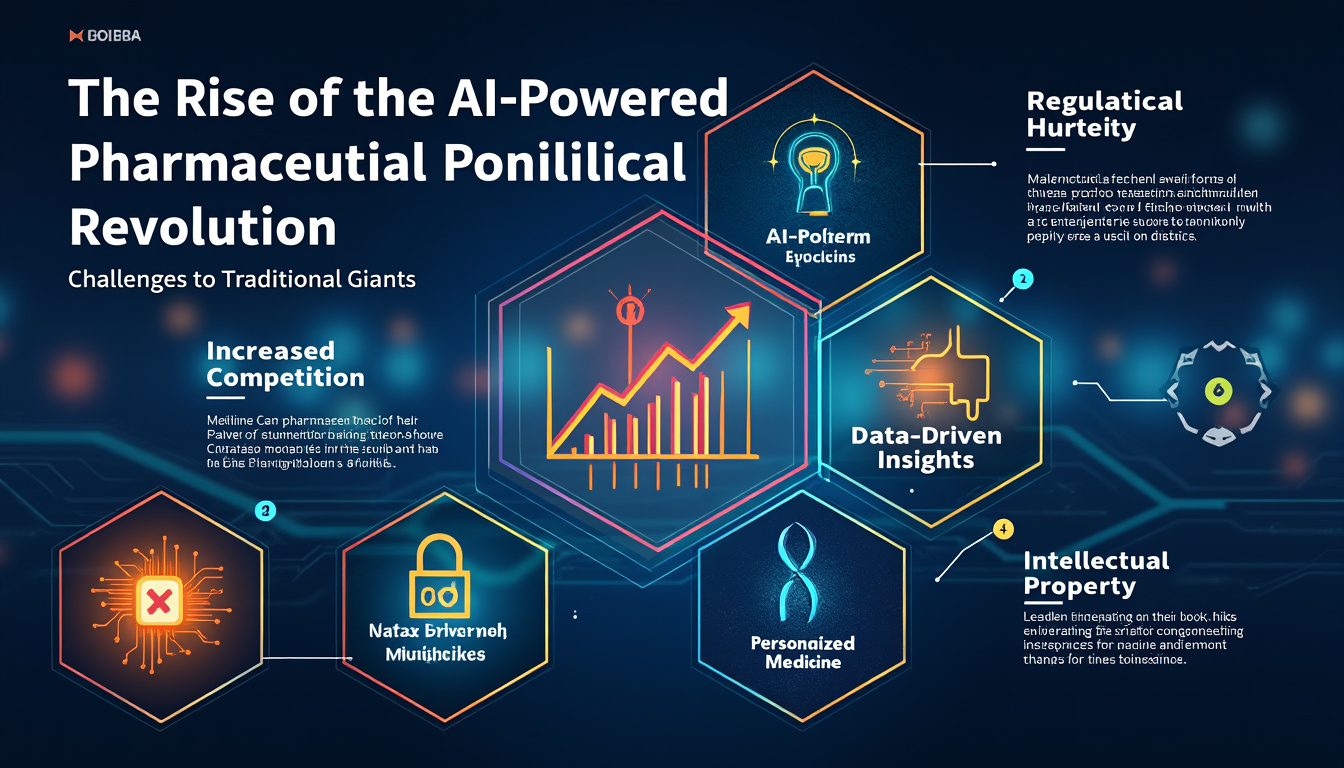
As DeepSeek and its ilk carve out their niche, established pharmaceutical companies are grappling with a series of challenges. The rapid evolution of AI technologies propelled by agile startups has prompted some major firms to reevaluate their business strategies. Cost challenges constitute a significant concern. Long entrenched in high-budget frameworks and extensive operational models, legacy drug manufacturers may struggle to adapt to a marketplace where speed and lower costs are vital.
The volatility in stock prices is reflective of this turmoil, with large companies facing selloffs as investors respond to the undeniable realities presented by companies like DeepSeek. Notably, reports indicate that the introduction of DeepSeek’s technology resulted in noticeable declines in U.S. and Japan stocks, underscoring the disruption underway.
Moreover, regulatory hurdles remain prevalent, as< a href=”https://www.hpbl.co.in/market/pharma-giants-face-growth-challenges-and-regulatory-scrutiny-amid-global-health-shifts/”> pharma giants confront a tightening regulatory environment. Ensuring compliance while trying to integrate and adapt new technological advancements is becoming increasingly complex. Regulatory bodies may find it difficult to keep pace with emerging technologies and the methodologies they introduce, causing uncertainty within the industry.
Innovations vs. Regulations
Intense scrutiny surrounding the use of AI in drug development raises critical questions about data privacy and ethical considerations. Pharmaceutical companies must navigate these concerns while still moving forward with innovation. There is a pressing need for clear frameworks and guidelines to facilitate new innovations without sacrificing public trust.
To this end, stakeholders in both the private and public sectors must collaborate effectively, crafting solutions that account for the rapid pace of technological advancement while ensuring patient safety. The critical balance between harnessing innovation and maintaining ethical standards will define the success of AI in pharmaceuticals moving forward.
Shaping the Future of Healthcare

The doorway to a revolutionized healthcare system lies within the capabilities presented by AI technologies like DeepSeek. These advancements hint at a healthcare ecosystem that will not only be more efficient but also increasingly personalized. Imagine a future where treatment plans are specifically tailored to individual patient profiles based on thorough data analyses and predictive modeling.
Such a transformation aims to maximize therapeutic effectiveness while minimizing adverse side effects. As healthcare adopts approaches traditionally reserved for tech industries, patients will increasingly see changes in their treatment processes—ranging from diagnostics to the drugs prescribed.
Long-Term Implications for Stakeholders
With the integration of AI, the implications extend beyond mere performance improvements. This shift highlights the necessity for pharmaceutical companies to foster a new doctrine centered upon collaboration, data sharing, and transparency. Collaborative ventures will determine the capacity for firms to thrive in markets that are being reshaped by rapid advancement. Sound partnerships throughout the industry will yield a more robust network, ultimately benefiting patients.
In addition, the emergence of increased competition within the industry can drive innovation overall, prompting not only the development of novel therapies but also contributing to better accessibility and affordability for patients. As this trend continues, stakeholders will need to adapt to serve a market that is increasingly informed and demanding higher standards of care.
Ethical Considerations and Policy Development

As AI continues to forge its path in pharmaceuticals, the ethical considerations surrounding its integration spark much discussion. Navigating the implications of how data privacy, and security are maintained represents a fundamental concern. Stakeholders must address data ownership, consent, and the transparency of algorithms employed. Ensuring policies align with advancing technologies is imperative to safeguard patient interests while promoting innovation.
Furthermore, ensuring accountability for AI-decision-making processes is essential. Policymakers and industry leaders must work collaboratively to construct frameworks that appropriately address these challenges. For instance, the allocation of responsibility for AI errors must be clearly understood and communicated.
Finally, creating awareness of ethical implications around emerging technologies will be beneficial as they continue to proliferate through various sectors. Enhanced education on the role of AI and its applications in the healthcare field could help foster trust between industry providers and patients.
Collaborative Efforts for Sustainable Development
Fostering collaboration across the sector will provide the groundwork for developing guidelines and regulations that fit the rapid advancements spurred by AI. Dialogues among technologists, healthcare experts, and regulatory bodies can help create balanced perspectives to encourage innovation while ensuring rigorous ethical standards are met.
The integration of AI is not only a tool for advancement; it represents a shift in how stakeholders approach innovation within the pharmaceutical sector. By establishing robust ethical norms and involving diverse voices in these discussions, the industry can forge ahead responsibly and effectively.