
The rapid evolution of artificial intelligence technologies has led to increasing interest in the concept of open source. One of the most noteworthy developments in this realm is DeepSeek, a Chinese AI company that has gained traction for its open large language models (LLMs). With the recent releases of DeepSeek-V3 and DeepSeek-R1, it’s essential to explore what open source means for this technology, how it impacts users and developers, and what implications arise for the broader AI industry.
This discussion also relates to the ongoing debate about the merits of open-source versus closed-source models. As AI research becomes more robust, understanding the advantages of open-source models like DeepSeek can provide valuable insights into the future direction of AI development.
The Significance of Open Source in AI
Open source software plays a critical role in the advancement of technology in diverse fields. The ability for developers to access and modify the source code facilitates collaboration, innovation, and knowledge sharing. In the context of artificial intelligence, open-source models like DeepSeek offer substantial benefits for users and the community.
Open source software typically allows for greater transparency. Developers can review the underlying code, scrutinizing its functionality and potentially identifying flaws. This transparency becomes even more crucial in AI, as biases and ethical concerns must be addressed to ensure fair and equitable applications.
DeepSeek’s open-source philosophy encourages the creation of a vibrant ecosystem, enabling experts and enthusiasts alike to contribute to the model’s refinement. Furthermore, developers can create new applications or adapt existing ones based on the capabilities offered by models like DeepSeek, such as generative AI or natural language processing.
DeepSeek’s Journey in Open-Source AI Development
DeepSeek’s emergence on the global AI scene can be traced back to the release of its LLMs in December 2024. These models, DeepSeek-V3 and DeepSeek-R1, were made available for free use and modification, representing a significant shift toward open access in AI technology. This release not only emphasizes the collaborative spirit of open source but also positions DeepSeek as a formidable competitor to established companies like OpenAI and Anthropic.
The success of DeepSeek’s chatbot app indicates a strong market demand for accessible AI technologies. Reaching the top spot on Apple’s App Store demonstrates a public embrace of the advantages associated with open models. Users appreciate the chance to engage with powerful technology without the restrictions often imposed by proprietary solutions.
Proponents of open AI models celebrate DeepSeek’s advancements, as over 700 models based on DeepSeek-V3 and R1 are now available on platforms like HuggingFace. These models collectively have received millions of downloads, indicating a proactive community ready to exploit the capabilities presented by DeepSeek’s technology.
Understanding DeepSeek’s Technical Innovations
DeepSeek sets itself apart through innovative technical approaches that enhance its models’ efficiency and effectiveness. The training of DeepSeek-V3 cost less than $6 million, making it remarkably cost-effective compared to similar models on the market. This reduction in expenses translated into an impressive performance that rivals some of the leading closed LLMs, showcasing the model’s potential.
One monumental achievement of DeepSeek is its ability to train on hardware that faced U.S. export restrictions. By leveraging Nvidia’s H800 chips, the company circumvented significant barriers and achieved notable results. The
DualPipe
Architectural Innovations of DeepSeek-V3 and R1
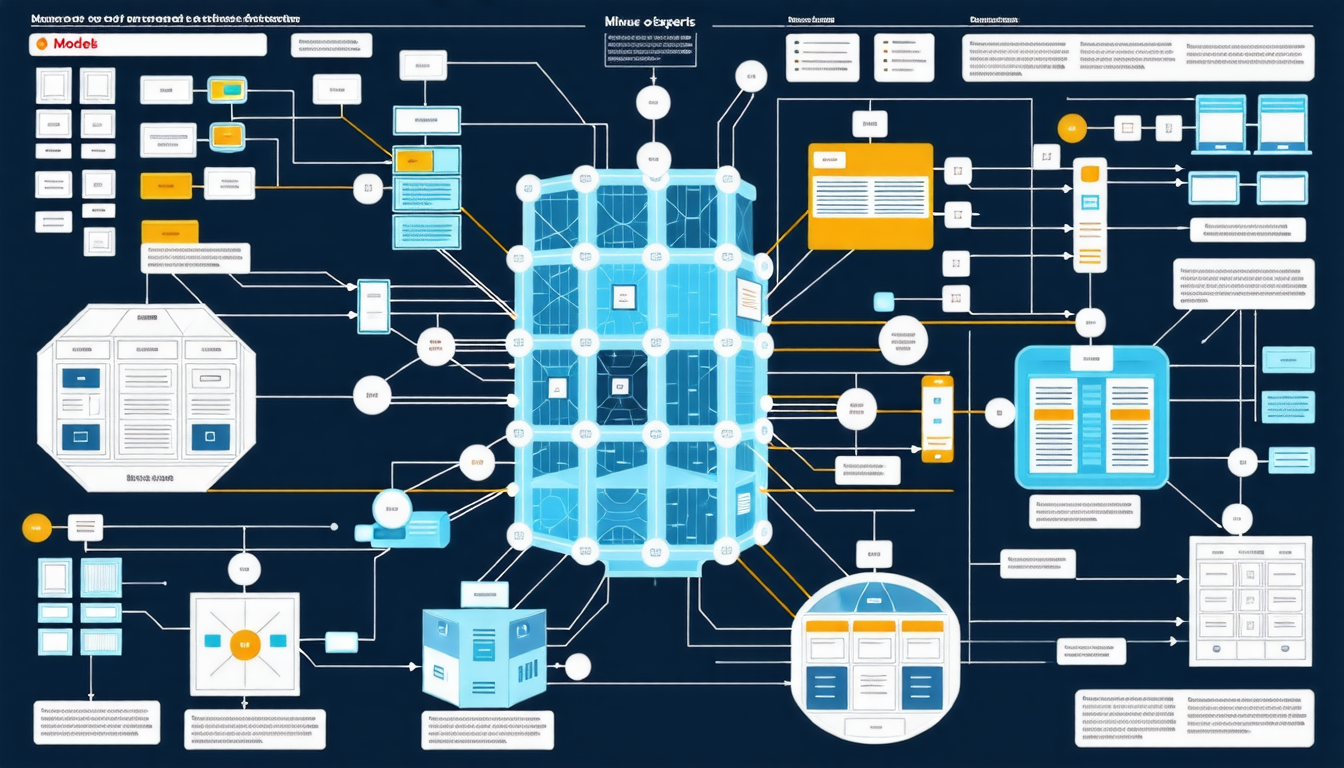
DeepSeek’s architectural ingenuity lies in its implementation of a mixture-of-experts (MoE) framework that employs various neural networks, or “experts,” activated independently. This innovative approach grants the model flexibility, requiring less memory for training, subsequently reducing operational costs upon deployment.
DeepSeek-R1, a reasoning model, benefits from these advancements as it employs chain-of-thought reasoning, similar to the technology utilized by OpenAI. By adopting techniques like reinforcement learning instead of more traditional supervised fine-tuning methods, DeepSeek has paved the way for enhanced performance in line with leading models in the field.
This disruption of conventional training practices not only elevates DeepSeek’s models but also indicates a transition in AI development. As more organizations embrace novel architectures and methodologies, the field will likely witness a blossoming of creativity and efficiency.

Community Engagement and Ecosystem Growth
For any open-source platform, community engagement is paramount, and DeepSeek fosters this connection through various avenues. The HuggingFace platform plays a pivotal role in bridging users and developers, allowing individuals to share models, insights, and resources.
Fostering a sense of cooperation among enthusiasts instills a spirit of collaboration. Users can modify and optimize existing models, thereby pushing the boundaries of what AI can achieve. This collaboration leads to creative breakthroughs and greater innovation within the ecosystem.
Advancements made on platforms like HuggingFace encourage the emergence of user-generated resources such as tutorials and frameworks. Such shared assets are invaluable for developers and researchers looking to navigate the increasingly complex landscape of AI technologies.
The Role of Modifications and Customization
One of the key appeals of open-source models is the ability for users to tailor them to their specific needs. DeepSeek’s structure encourages developers to modify the models in ways that enhance usability or performance.
This level of customization can range from minor adjustments to major overhauls, providing developers with the tools necessary to align the models closely with their unique applications. For instance, intrepid developers have managed to run DeepSeek models on various devices, such as Raspberry Pi, demonstrated by YouTuber Jeff Geerling.
As developers across various sectors embrace the flexibility offered by DeepSeek, its applications are predicted to extend far beyond traditional platforms. Industries engaged in AI services, customer support, content generation, and beyond can harness the power of DeepSeek to further their objectives.
The Future of Open Source AI with DeepSeek
Looking ahead, the path that DeepSeek and its open-source models will carve out in the AI landscape remains a topic of significant interest. The ongoing debate about closed vs. open-source AI presents opportunities for innovation, rapid advancements, and a greater variety of applications. As open-source models gain footing, they will push proprietary solutions to reevaluate their approaches to accessibility and collaboration.
Industry leaders are already taking note of the impact companies like DeepSeek are making, as it signals a potential shift towards democratizing AI technology. The widely accepted notion that closed models provide superior security and safety is now being challenged by the increasing effectiveness and transparency of open-source alternatives.
DeepSeek’s focus on open access models may serve as a catalyst for further investments in the development of community-driven AI technologies, whereby stakeholders can continuously refine, share, and co-develop algorithms.
The Role of Innovation in this Transition
Innovation in AI technology will primarily reside in flexibility and adaptability. As DeepSeek exemplifies, the potential for creating models that freely operate on various platforms fosters a sense of creativity among developers. The open-source community’s collaboration and ongoing conversations propel the field forward.
The impact of this democratization is expected to shape the AI ecosystem for years to come, as researchers and developers realize that the barriers imposed by prior closed systems could be overcome through shared knowledge.
In conclusion, the momentous contributions of DeepSeek and similar open-source initiatives are changing how the AI community approaches technology development. The future may hold a robust landscape where open-source advances in AI create new pathways for efficiency and ethical responsibility.